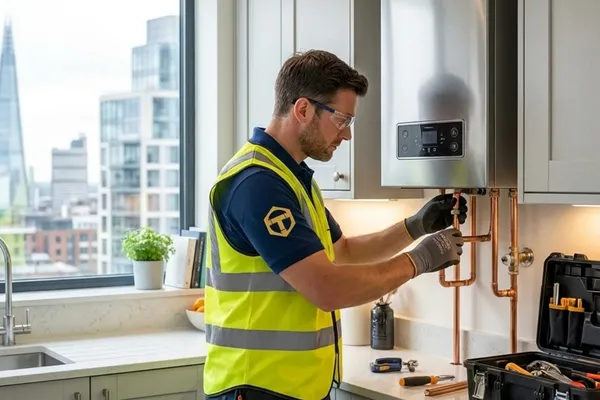
The Complete Guide to Boiler Installation
The Complete Guide to Boiler Installation: Everything London Homeowners Need to Know
Introduction
Your boiler is the heart of your home's heating system. It works tirelessly to keep you warm during those brutal London winters, and when it finally gives up the ghost, the panic sets in. But here's the thing—boiler installation doesn't have to be stressful or mysterious. Whether you're replacing an aging system or upgrading to something more efficient, understanding the process can save you money, time, and headaches.
In this guide, we'll walk you through everything you need to know about boiler installation in London, from choosing the right system to what happens on installation day.
Why Replace Your Boiler?
Before we dive into installation, let's talk about why you might need a new boiler in the first place.
Age is the biggest factor. Most boilers last 10-15 years. If yours is pushing 15 years or older, it's probably working harder than it should be, costing you more in energy bills. Modern boilers are significantly more efficient—we're talking 90%+ efficiency compared to older models at 70-80%.
Frequent breakdowns are another red flag. If you're calling for repairs every few months, it's time to consider replacement. The cost of constant repairs quickly adds up and often exceeds the cost of a new system.
Rising energy bills without explanation? An aging boiler loses efficiency over time. A new, modern boiler can reduce your heating costs by 20-30% annually.
Strange noises or leaks indicate your boiler is struggling. Banging, whistling, or visible water damage means it's time to act.
Types of Boilers: Which One Is Right for You?
London homes typically use one of three boiler types:
Combi Boilers (Combination Boilers)
These are the most popular choice in London. They provide both heating and hot water on demand without needing a separate hot water tank. Perfect for smaller homes and flats where space is premium. They're efficient, compact, and cost-effective. The downside? If multiple people need hot water simultaneously, pressure can drop.
System Boilers
These work with a separate hot water cylinder, making them ideal for homes with high hot water demand. Great for larger properties where multiple showers might run at once. They're more complex than combis but offer superior performance for bigger households.
Regular Boilers (Heat-Only)
These are the traditional setup with a separate hot water tank and cold water storage tank. Less common in modern London homes, but still found in older properties. They're reliable but take up more space and are less efficient than modern alternatives.
The Installation Process: What to Expect
Step 1: The Survey
A Gas Safe registered engineer visits your home to assess your current system and requirements. They'll check your pipework, radiators, and water pressure. This is crucial—a proper survey ensures you get the right boiler for your home.
Step 2: Choosing Your Boiler
Based on the survey, your engineer recommends the best option. Consider your household size, hot water demand, and budget. Don't just go for the cheapest option—a slightly more expensive, efficient boiler pays for itself through lower energy bills.
Step 3: Preparation
Before installation day, ensure access to your boiler location is clear. If it's in a cupboard, remove items. If it's in the loft, make sure the space is accessible. Your engineer will need room to work safely.
Step 4: Installation Day
This typically takes 4-8 hours depending on complexity. Your engineer will:
Remove the old boiler
Install the new one
Connect all pipework and electrical connections
Install or upgrade the flue system
Commission the system and run safety checks
Show you how to use it
Step 5: Commissioning and Testing
This is critical. Your engineer tests every function, checks for leaks, verifies gas pressure, and ensures all safety features work. You'll receive a certificate proving the installation meets safety standards.
Gas Safe Registration: Non-Negotiable
Here's something crucial: only use a Gas Safe registered engineer. This isn't optional—it's the law. Gas Safe registration means the engineer has been vetted and trained to work safely with gas appliances. Dodgy installers might be cheaper, but they put your home and family at risk. Plus, your boiler warranty becomes void if installed by an unregistered person.
Always ask to see the engineer's Gas Safe ID card. It's your protection.
Cost Considerations
Boiler installation costs vary based on several factors:
Boiler type and brand (£1,500-£3,500)
Installation complexity (simple replacement vs. system changes)
Additional work (new pipework, flue upgrades, radiator balancing)
Your location in London (some areas have higher labor costs)
Budget £2,000-£4,000 for a complete installation including the boiler. Yes, it's an investment, but consider it insurance against cold winters and expensive emergency repairs.
Energy Efficiency: The Long-Term Payoff
Modern boilers are remarkably efficient. A new A-rated boiler uses significantly less gas than an old system, translating to lower bills. Over 10-15 years (the typical lifespan), you could save thousands.
Plus, there's the environmental angle. Efficient boilers produce fewer emissions, so you're reducing your carbon footprint while saving money. Win-win.
Maintenance After Installation
Your new boiler isn't a "set and forget" appliance. Annual servicing keeps it running smoothly and maintains your warranty. A service typically costs £100-£150 and takes about an hour. It's the best investment you can make to extend your boiler's life.
Common Installation Mistakes to Avoid
Choosing the wrong size boiler. Too small and it can't meet demand. Too large and it cycles on/off constantly, wasting energy. Your survey determines the right size.
Ignoring the flue system. A poorly installed flue causes dangerous gas buildup. Always ensure proper ventilation.
Skipping the commissioning. Never accept a boiler that hasn't been properly tested and commissioned. This is where problems are caught.
Not getting a warranty. Reputable installers provide warranties. If they don't, walk away.
Final Thoughts
Boiler installation might seem daunting, but it's a straightforward process when you work with qualified professionals. Take time to understand your options, get multiple quotes, and always prioritize Gas Safe registration over price.
A new boiler means reliable heating, lower bills, and peace of mind. That's worth the investment.
Ready to upgrade? Contact our Gas Safe registered engineer today at 07538 238186 and get your home heating efficiently.